
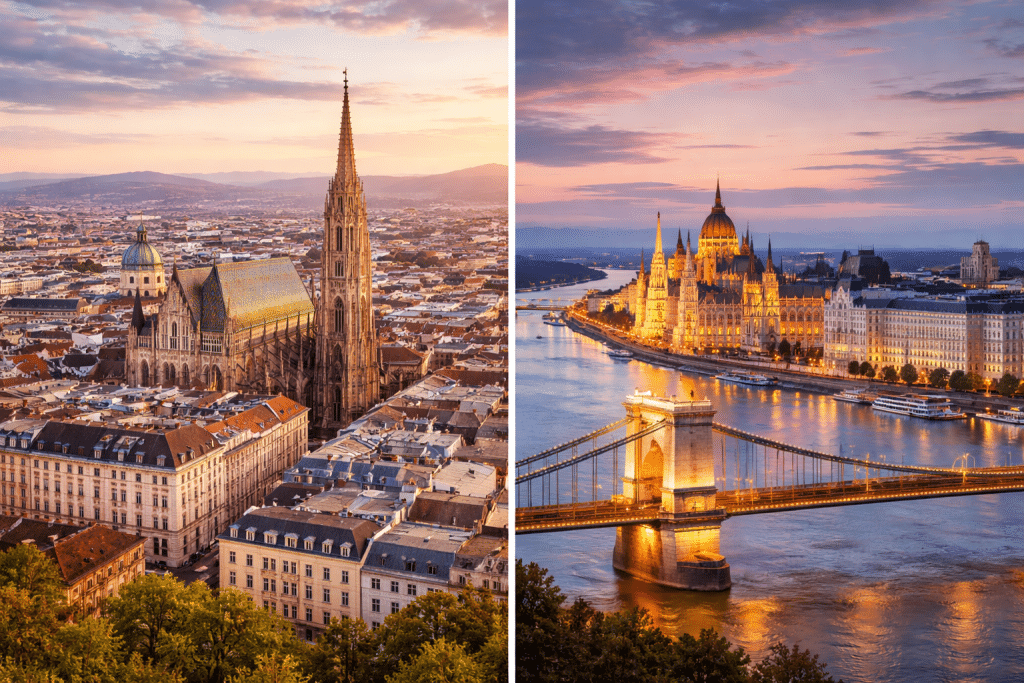
There’s a particular type of trip I recommend again and again, especially for people who want variety without feeling rushed: two cities, properly paced, joined by one seamless journey.
It often surprises people. Two places sounds more complicated than one. In reality, when the rhythm is right, it can feel calmer, more generous, and far more enjoyable than trying to stretch a single base to cover everything.

Many travellers assume that changing location automatically adds pressure. Packing, transfers, check-ins, learning a new layout — all valid concerns.
What tends to cause the most fatigue, though, isn’t the number of bases. It’s poor pacing.
Staying in one place while constantly travelling out for long day trips, early starts, and late returns often creates more friction than a simple, well-timed move between two thoughtfully chosen cities.
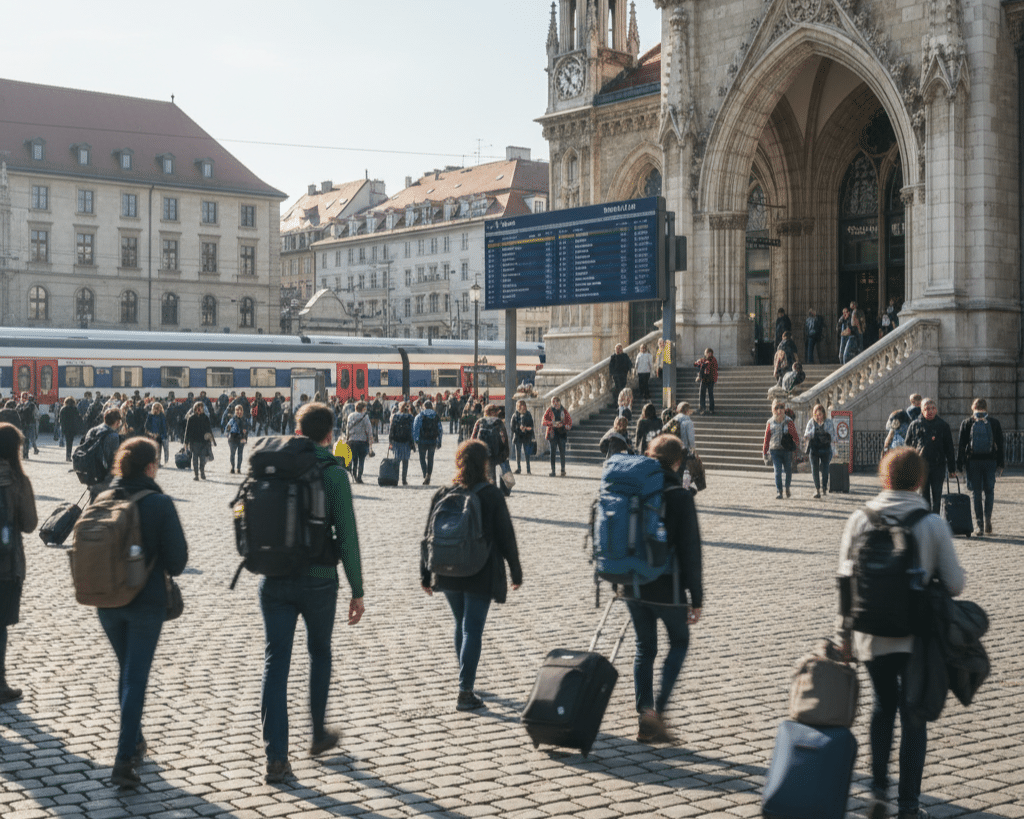
A well-designed double-centre trip allows contrast without overload.
Each location serves a clear purpose. One might be energetic and expansive, the other more compact and reflective. You unpack, settle in, explore properly, then move on once — not every day.
When the connection between the two is straightforward, ideally city-centre to city-centre, the transition becomes part of the journey rather than an interruption.
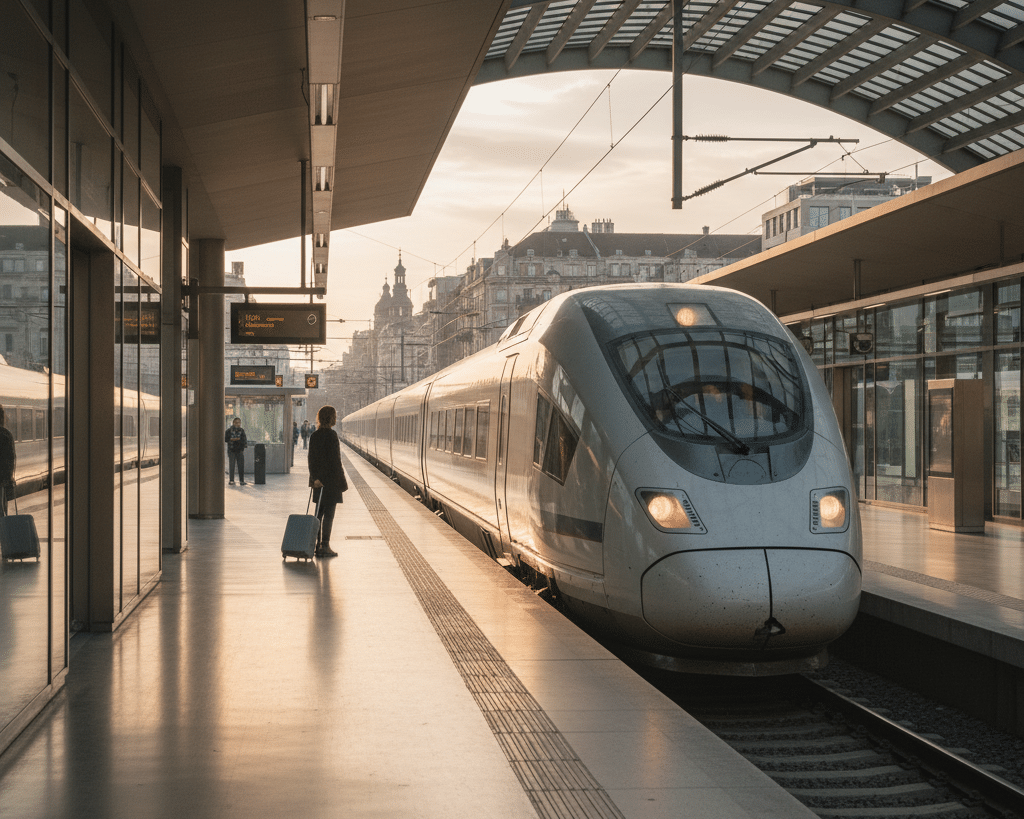
When trips feel tiring, it’s usually not because of the headline itinerary. It’s because of the small, cumulative drains:
• Long transfers that eat into mornings or evenings
• Hotels chosen for size rather than location
• Itineraries that require repeated decision-making
• Constant repacking for day trips rather than one clean move
These details don’t look dramatic on paper, but they shape how a trip actually feels once you’re there.
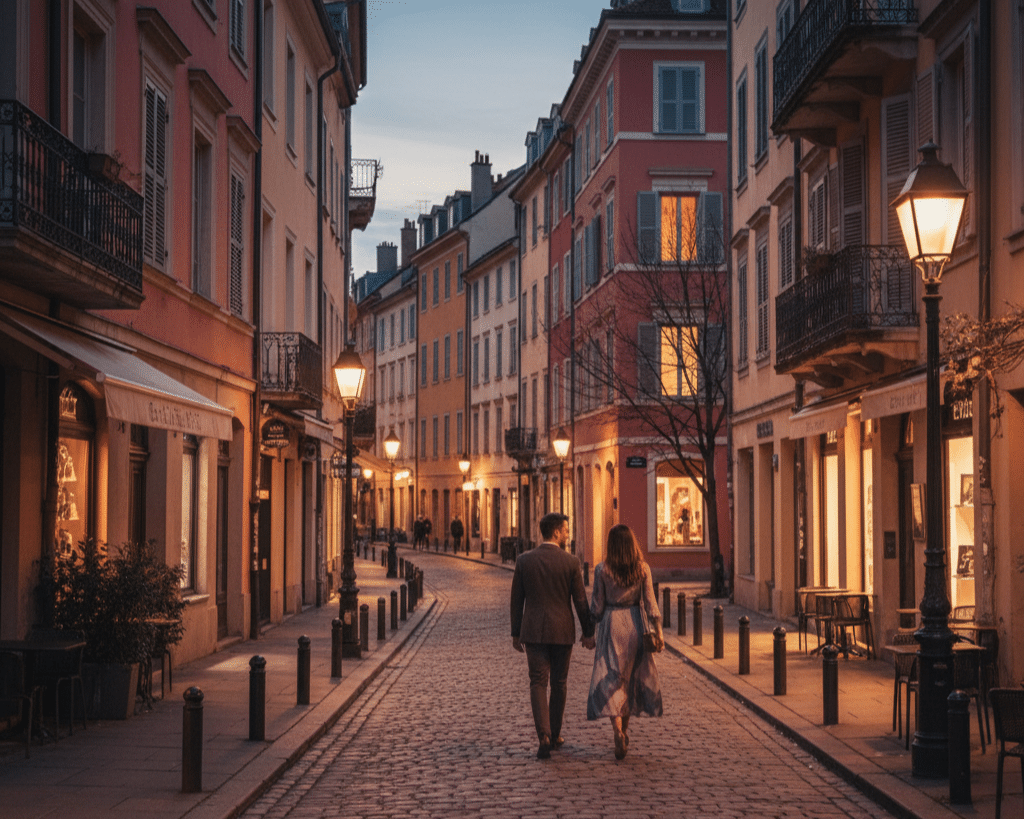
In my experience, three nights in each place is often the minimum needed to feel settled rather than transient.
It allows for arrival without urgency, a full day or two of exploration, and a final morning that doesn’t feel like a countdown to departure. You begin to understand a place beyond first impressions, without trying to exhaust it.
That balance is what makes the journey feel spacious rather than packed.

When I suggest a two-city itinerary, I’m not trying to squeeze more in. I’m usually doing the opposite.
I look for places that complement each other, are logically connected, and reward time spent rather than distance covered. Hotels are chosen for walkability, not postcodes. Transport is selected to minimise disruption, not maximise novelty.
The aim is always the same: to let the trip unfold naturally, without constant adjustment once you’re on the road.

Good trips aren’t rushed. They’re shaped.
A well-paced double-centre journey often delivers more ease, more contrast, and more enjoyment than people expect — not because it’s simpler on paper, but because it works better in practice.