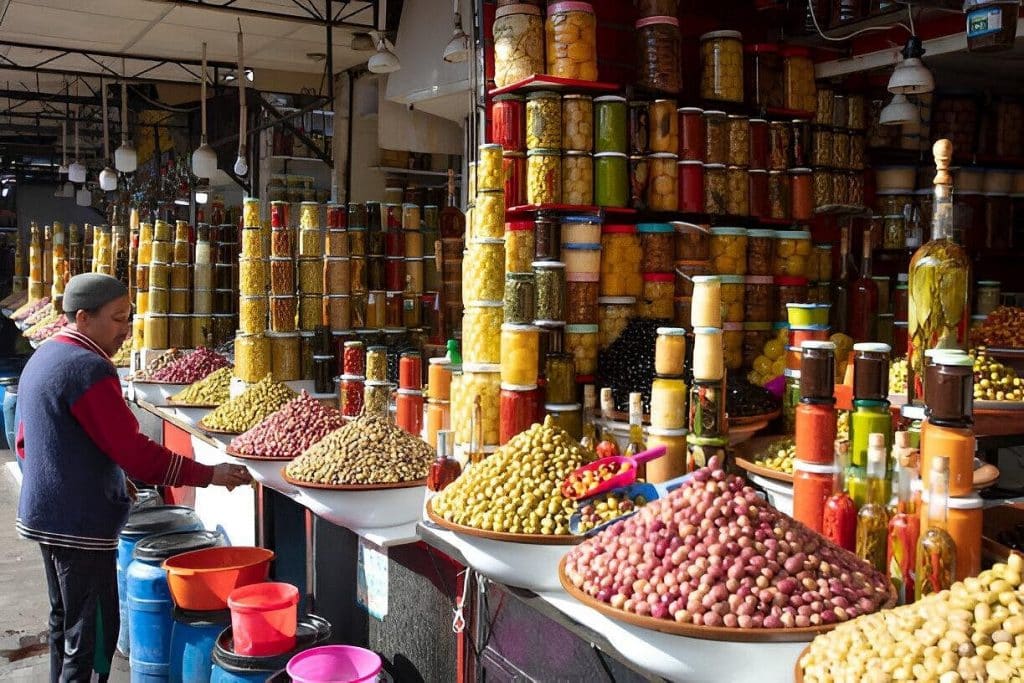
Morocco reveals itself through flavour long before it explains itself in words. From the first scent of warm spices drifting through a medina to the quiet ritual of mint tea poured with care, food here is not an accessory to travel, it is the story itself. This journey follows that story across cities and coastline, where recipes are shaped by trade routes, geography, and generations of daily life. Taken slowly, city by city, it becomes a way to understand the country beyond its landmarks, through tastes, textures, and traditions that have endured for centuries.
Marrakech
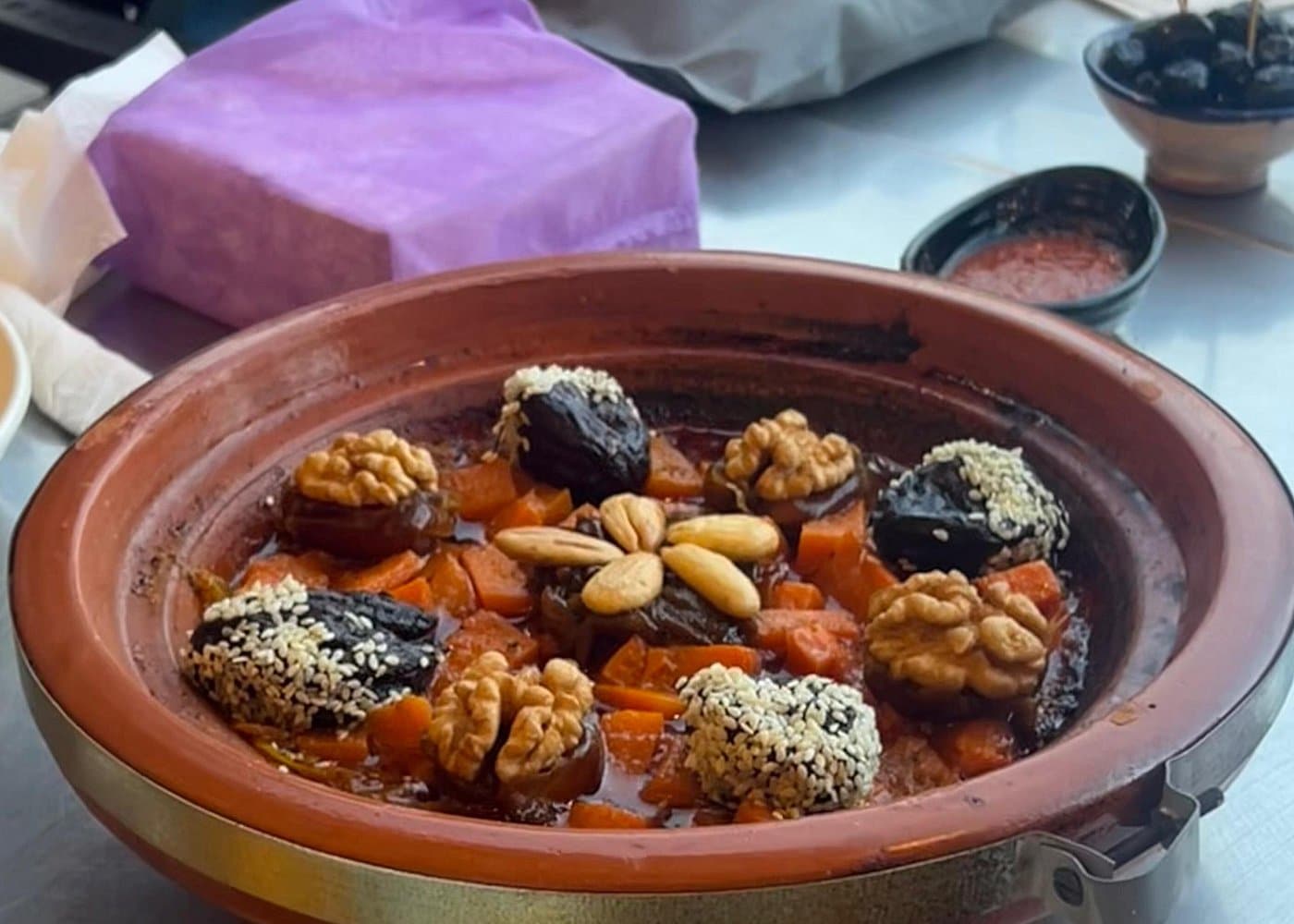
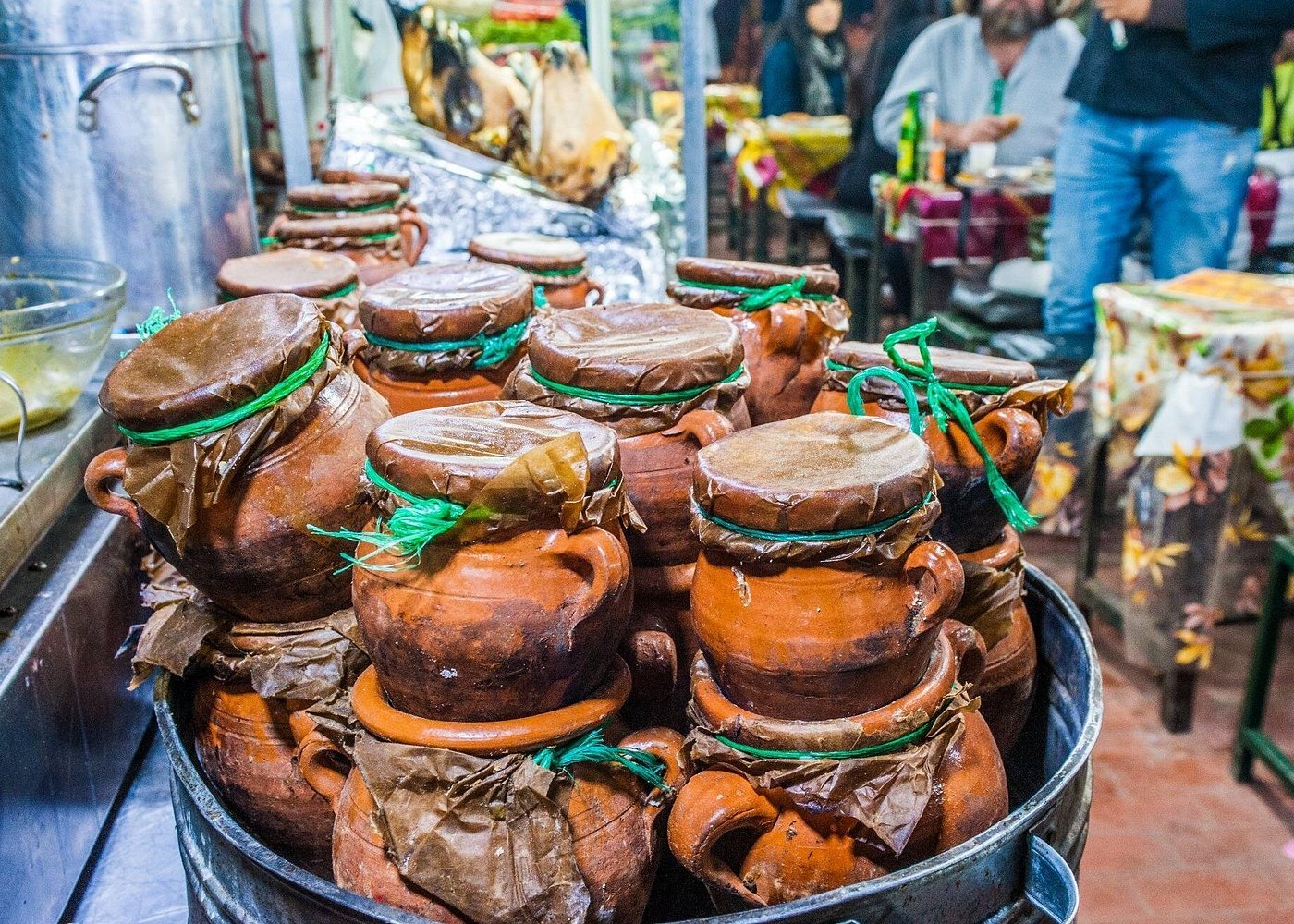
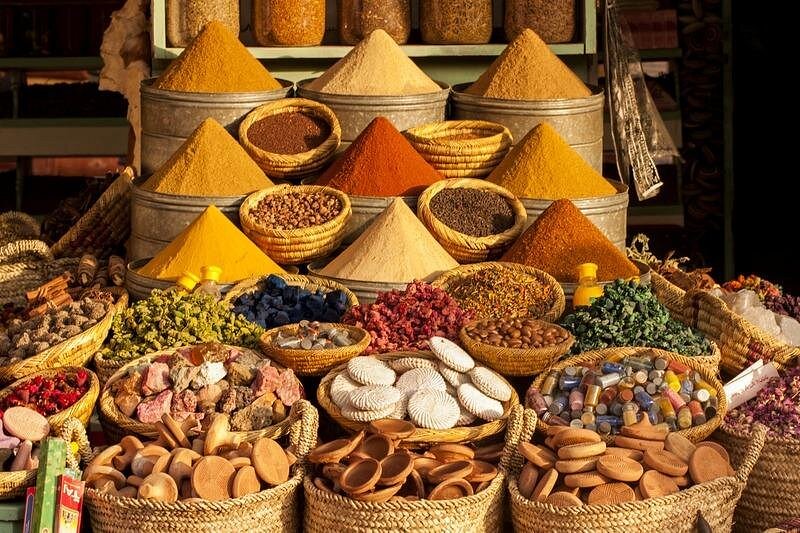
Marrakech is where the senses are properly awakened. The city moves at its own rhythm, and food is woven into every part of daily life. In the souks, pyramids of cumin, saffron, ginger and paprika sit alongside baskets of olives and preserved lemons. Jemaa el-Fnaa comes alive as dusk falls, not as a performance for visitors, but as a working evening food market where locals eat shoulder to shoulder. Tagines simmer slowly, grills hiss, and fresh juices are pressed to order. Away from the square, cooking classes and market visits reveal how simple ingredients are transformed through technique, patience, and balance. Marrakech teaches that Moroccan food is less about heat and more about harmony.
Essaouira
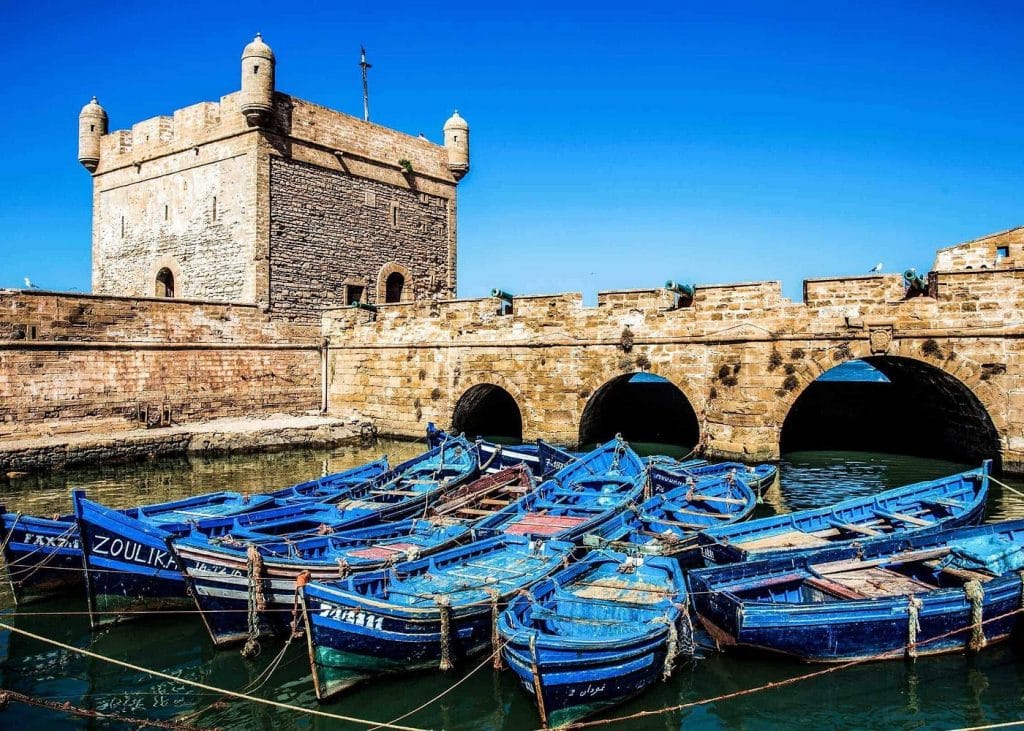
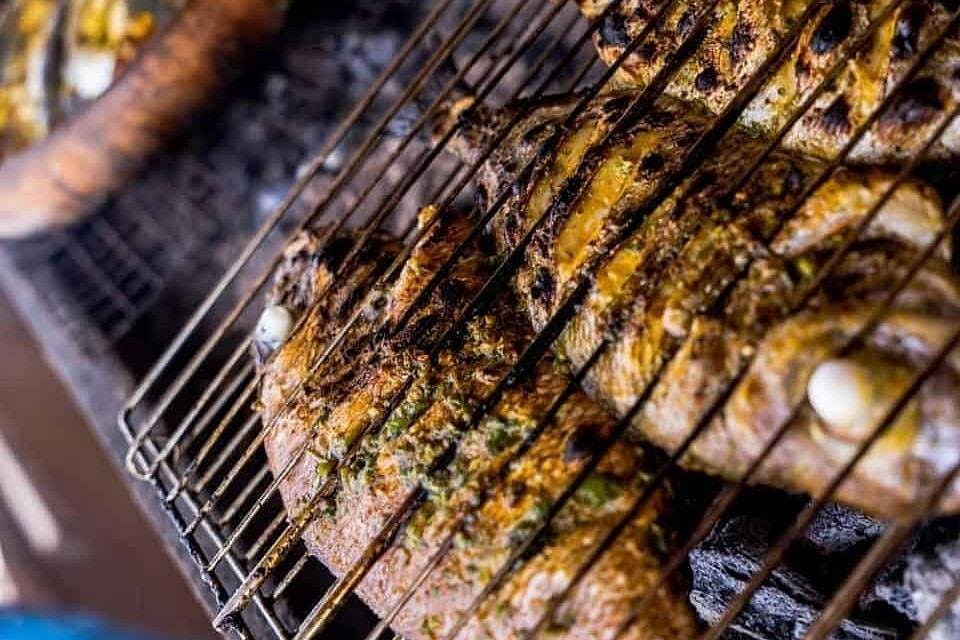
From the intensity of Marrakech, the Atlantic air of Essaouira brings immediate contrast. The pace softens, the light changes, and so does the food. Fishing boats unload their catch directly onto the quay, where diners choose seafood that is grilled minutes later, seasoned only with salt, lemon, and smoke. Sardines, prawns, and sea bream dominate menus, reflecting centuries of coastal life and trade. Portuguese influences remain visible in the city’s walls and layout, but it is the freshness and simplicity of the food that defines Essaouira. After the richness of inland dishes, the coast feels restorative, a reminder of how geography shapes the Moroccan table.
Fes
In Fes, food becomes heritage. Often described as the country’s spiritual and cultural heart, it is also where many of Morocco’s most refined dishes originate. The medina is dense and deliberate, its narrow streets leading to bakeries, spice merchants, and communal ovens that have served families for generations. Pastilla, layered with delicate pastry, spiced meat, and sweetness, reflects the city’s Andalusian past. Here, recipes are preserved through practice rather than instruction, passed down through observation and repetition. Walking through Fes with food as the focus offers insight into a city where tradition is not curated, it is lived.
Rabat
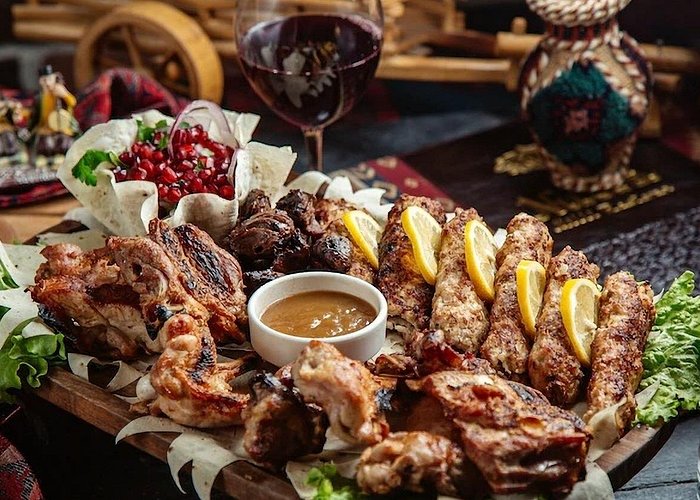
Rabat introduces a quieter, more contemporary chapter. As the capital, it blends history with modern Moroccan life, and its food scene reflects this balance. Markets feel local rather than performative, cafés are relaxed, and coastal influences bring lighter flavours to the table. Fresh vegetables, grilled fish, and simple salads sit alongside classic dishes prepared with restraint. Rabat often surprises travellers, not through spectacle, but through ease. It shows how Moroccan cuisine continues to evolve while remaining anchored in its foundations.
Casablanca
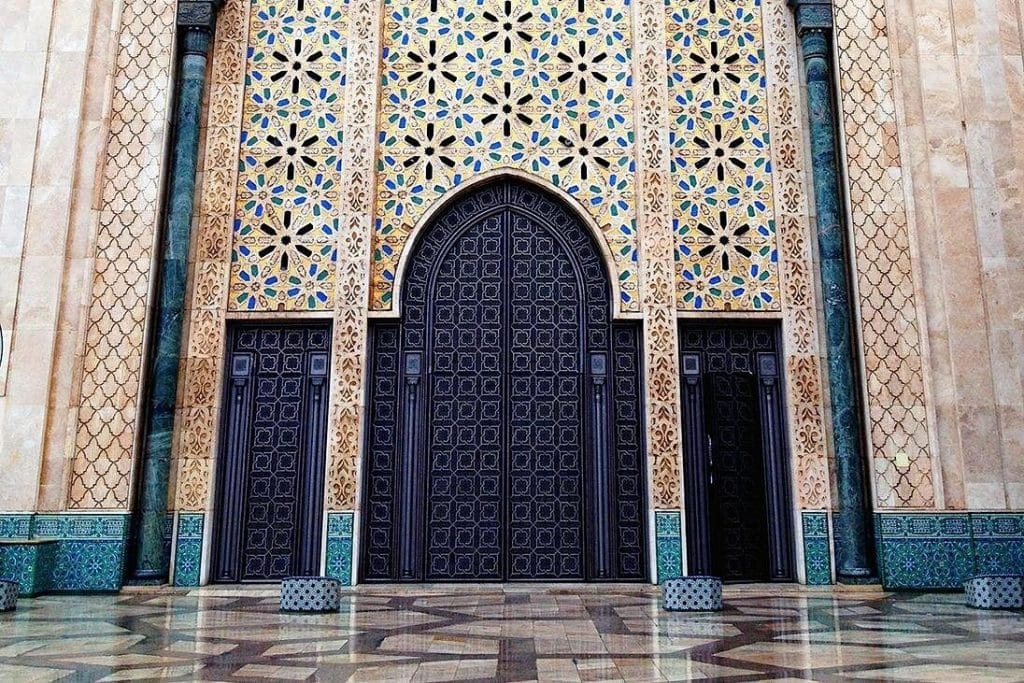
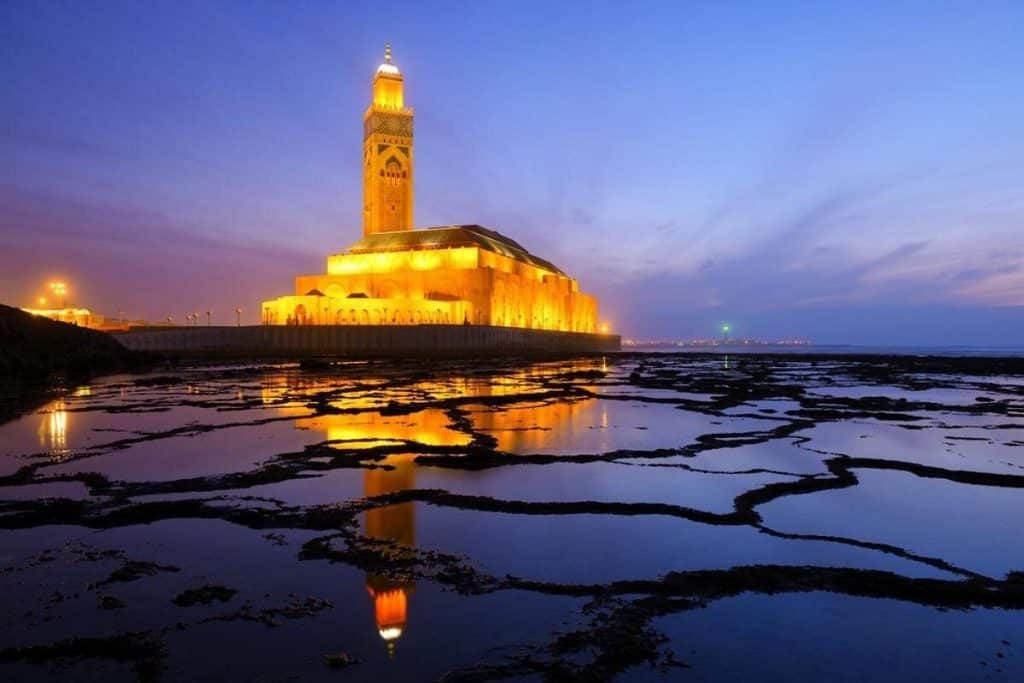
Casablanca brings the journey to a close with energy and scale. As Morocco’s largest city, it offers variety rather than tradition alone. French-influenced bakeries, long café culture, and excellent seafood define daily eating, while neighbourhood restaurants reflect the city’s diversity. Around the Hassan II Mosque, the Atlantic is ever-present, reinforcing how water, trade, and movement have shaped Casablanca’s identity. It is a fitting end point, modern, outward-looking, and grounded in everyday life rather than nostalgia.
The Journey
Travelling between these cities by train allows the journey to breathe. Distances are manageable, landscapes change gradually, and travel days become part of the experience rather than interruptions. This structure keeps the focus on place, reducing the sense of transit fatigue that often accompanies multi-city itineraries.
What sets this journey apart is its pace. It is not about ticking off famous dishes, but about understanding why they exist where they do. Food experiences are rooted in markets, homes, and neighbourhoods, not staged tastings designed to impress. Each stop builds on the last, creating contrast without overload.
Spring is particularly well suited to this route. Markets are abundant, temperatures are comfortable, and daily life flows at its natural rhythm. Timing matters here, not for deals or trends, but for atmosphere and authenticity.
Morocco rewards travellers who are curious and unhurried. Long after the journey ends, it is often the small moments that linger: bread torn and shared, tea poured without rush, spices clinging to fingertips. This is a destination that stays with you not because of what you see, but because of what you taste, and what those flavours quietly reveal about a place shaped by time.