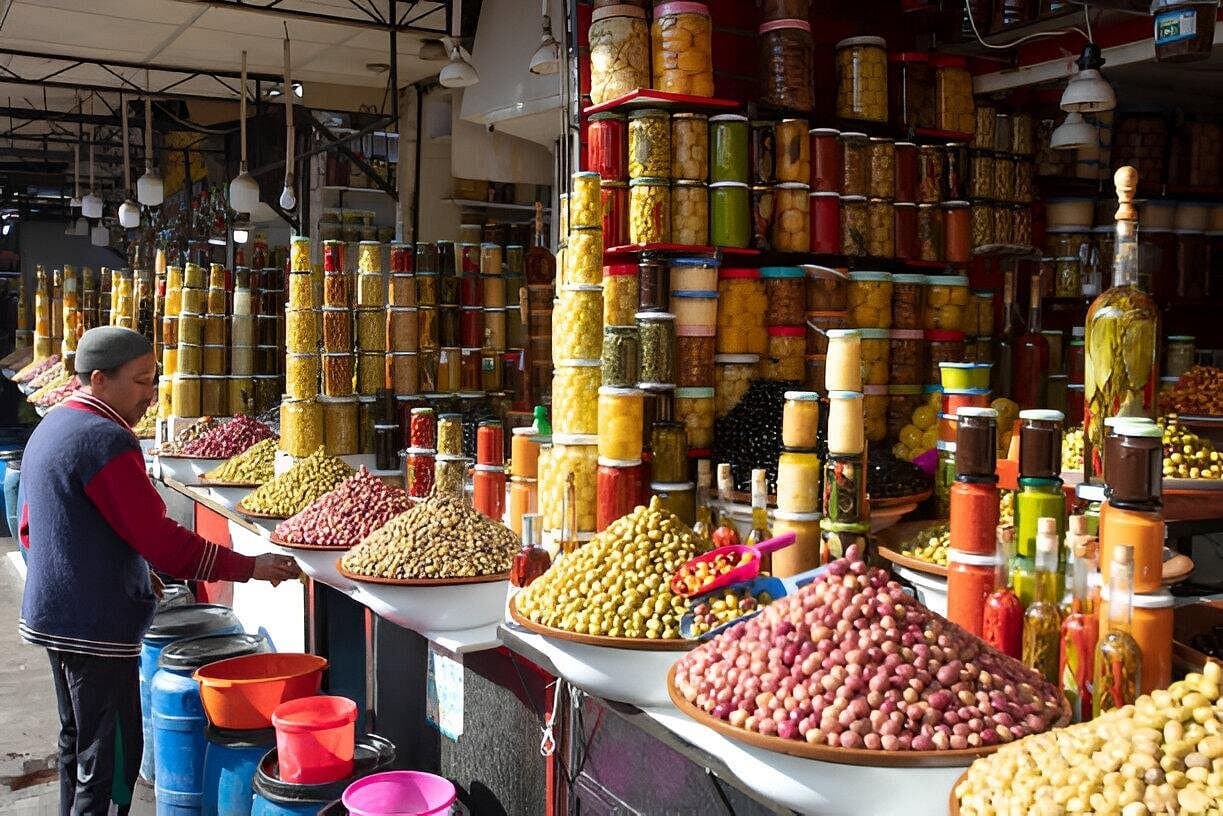


Some trips feel calm from the moment you arrive. You walk out of the airport, find your rhythm quickly, and the days seem to unfold like clockwork. Others are technically fine on paper, but in reality, they feel like you’re always catching up: one more connection, one more queue, one more decision, one more detour you didn’t expect.
The difference is rarely the destination.
It’s usually the design.
Effortless travel isn’t accidental. It’s created through a handful of decisions made early, before anyone has even packed a suitcase.

Why “effortless” is usually designed
Effortless doesn’t mean doing nothing.
It means the moving parts have been quietly arranged so you don’t feel them.
The best trips have a flow you can sense but don’t have to manage. The airport transfer works. The first night is simple. The pace matches how you like to travel. The hotel is in the right place for the life you want outside your room. And when plans change (because sometimes they do), the trip still holds together.
That feeling comes from structure: timing, pace, base, and buffers.

Timing: choosing the right week, not just the right place
A destination can be “right” and still feel wrong if the timing is off.
This is why shoulder seasons are so valuable. The same city can feel entirely different when the crowds soften, the light changes, and you’re not navigating peak-season pressure at every turn. In many places, late autumn and spring offer the best balance: enough energy in the streets, but more breathing space in the experience.
Timing also shapes the practical side of travel. Whether that be flight schedules that give you usable days and not just travel days, a better choice of room categories, more flexible options for restaurants and tours or a calmer pace on public transport and at major tourism sights.
When a trip is designed well, timing is a feature, not an afterthought.

Pace: how many “high points” you can actually enjoy
This is where many trips fall apart, especially for capable, confident travellers.
It’s easy to build an itinerary that looks brilliant.
It’s harder to build one that feels good.
A simple rule: if every day has three “musts”, the trip becomes work. Even the best moments start to feel like tasks when you’re constantly moving on.
Pace is not about laziness. It’s about realism.
You want room for the unexpected: a café you stumble on, a street you keep walking because it’s beautiful, a museum you stay longer in because it surprises you.
Effortless trips usually have one main focus per day, a gentle second option and above all, permission to stop and just live the moment.

Base: where you stay shapes what you see
This is one of the most underestimated decisions in travel.
A hotel is not just a room. It is your daily starting point and your daily return. If it’s in the right place, the destination feels walkable and intuitive. If it’s in the wrong place, you spend your time managing transport, thinking about timings, and quietly calculating whether it’s worth going back to change before dinner.
A well-chosen base saves energy. It makes a city feel smaller in the best way.
When choosing a base, what matters most is how you like to move around (walking, taxis, public transport), what you want close by (parks, restaurants, quiet streets, museums, waterfront) and how you like your evenings to feel (busy, calm, local, lively).
Base is where comfort and value meet.
Flow: connections, buffers and the hidden value of simplicity
This is the invisible architecture of a trip.
The connections between places can make the experience feel seamless, or surprisingly tiring. The difference is rarely the transport itself. It’s the sequencing: which day you travel, what time you move, how much you try to do on transfer days, and whether you’ve built in any slack.
Buffers are not “wasted time”.
They are what stops a small delay turning into a stressful day.
Effortless travel usually includes early clarity on what connects to what, realistic transfer windows and at least one day that is deliberately light.
The small details that prevent friction
Most travel disruption isn’t dramatic. It’s practical.
A late arrival that shifts your first morning.
A room type that doesn’t match your expectations.
A tour that starts at the far end of the city when you assumed it was nearby.
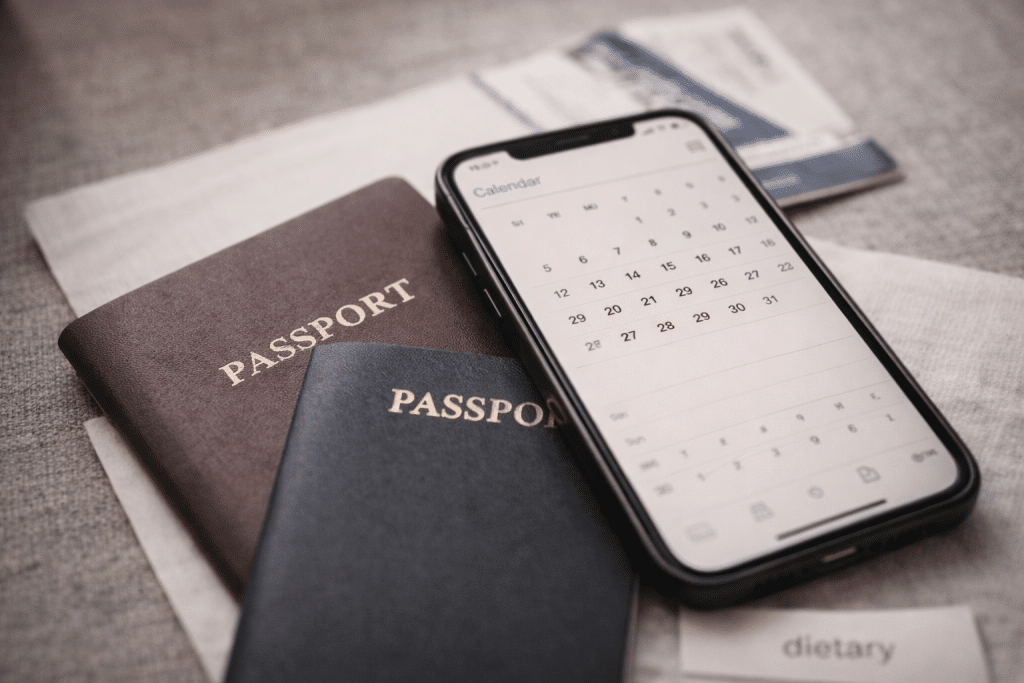
Dietary requirements that weren’t properly noted.
A ferry or train connection that looked fine online but becomes tight in real life.
These aren’t disasters, but they change how a trip feels.
The most valuable planning often happens in these details, because that’s where friction lives.
A calm way to plan
If you want a trip to feel effortless, start here:
- Choose timing with intention
- Build a rhythm you can actually enjoy
- Pick a base that supports your days and your evenings
- Keep transfer days simple
- Leave room for change
Effortless travel isn’t luck.
It is a series of sensible decisions that protect your experience.
And when those decisions are made well, you don’t notice the planning at all.
You just notice that everything feels easier.